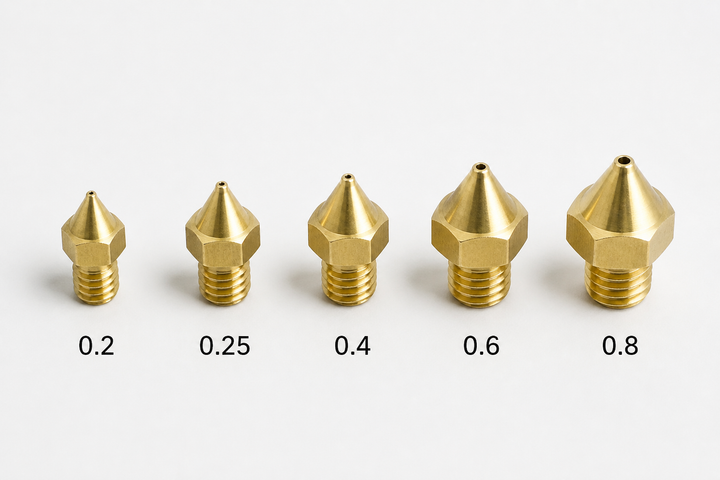
3D Printer Nozzle Sizes Explained: Which Size Do You Actually Need? The 0.4mm nozzle handles most prints. But knowing when to go bigger or smaller can cut your print time in half — or unlock detail you didn't think was possible.
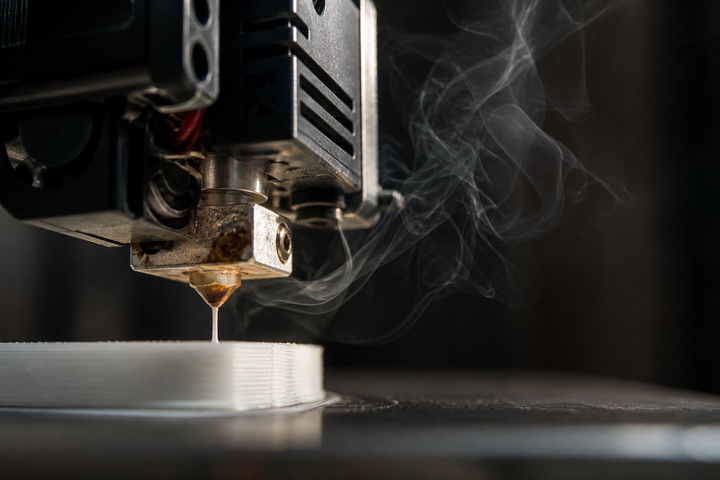
Is 3D Printing Toxic? How 3D Printer Fumes Affect Your Health Your 3D printer heats plastic to 200°C+ in your room. Should you be worried? Here's what the science actually says.
Enclosed vs Open 3D Printer: Which Should You Choose Enclosed traps heat; open lets it escape. Which setup actually matches the way you print? We break it down.
5 Best Large Format 3D Printers in 2026 (Every Category Covered) Not all "large format" printers are created equal — some barely cross 300 mm while others swallow entire furniture pieces. Here are the 5 that actually deliver.
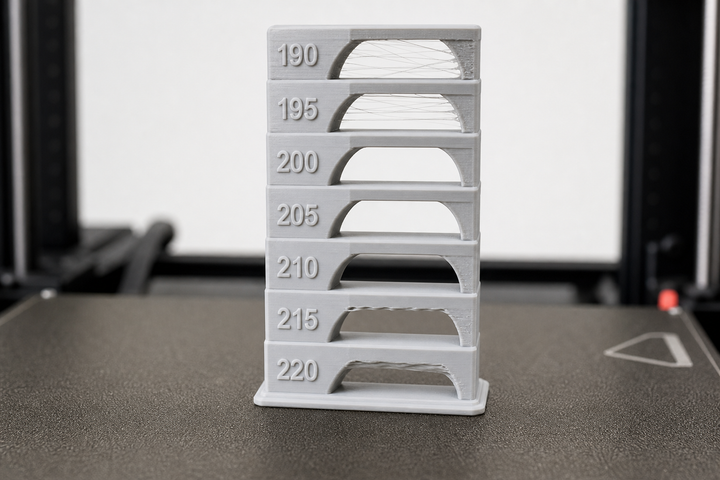
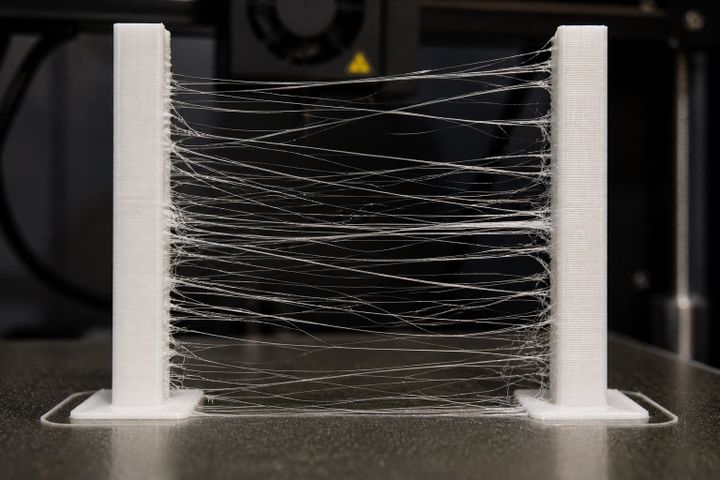
3D Print Stringing: What Causes It & How to Fix It Stringing is a common 3D printing defect. It occurs when thin, hair-like strands of plastic are left between separate parts of a print. This issue is commonly caused by incorrect retraction, high nozzle temperature, slow travel speed, or moist filament. Fortunately, stringing can be easily fixed by adjusting some
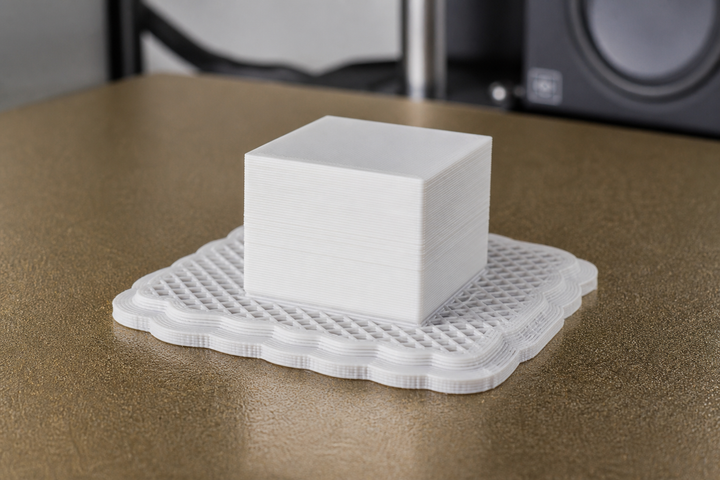
3D Printing Raft: What It Is, Best Settings & Slicer Setup Guide A raft is the strongest adhesion tool in your slicer — and also the most overused. Here's when it actually saves a print, when it just wastes filament, and the one setting that decides whether it peels off clean or ruins your bottom layer.
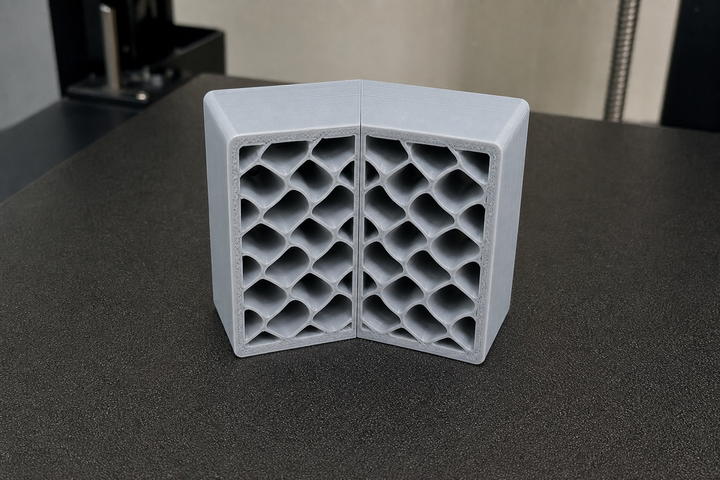
3D Print Infill: Best Density, Patterns & Slicer Settings Guide Infill is the invisible skeleton inside every 3D print — and the setting most beginners either ignore or max out to 100%. Here's how to pick the right density and pattern without wasting filament or print time.
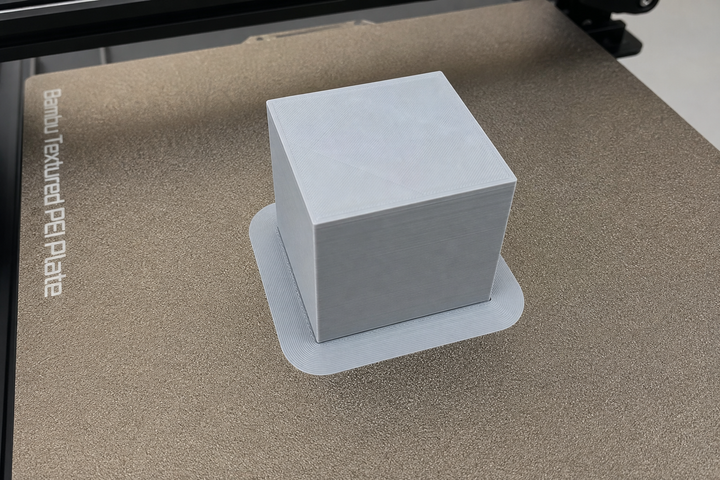
3D Print Brim: Best Settings & How to Add One in Your Slicer Most prints don't warp because of bad filament. They warp because of a missing single-layer ring that takes 10 seconds to enable in your slicer.
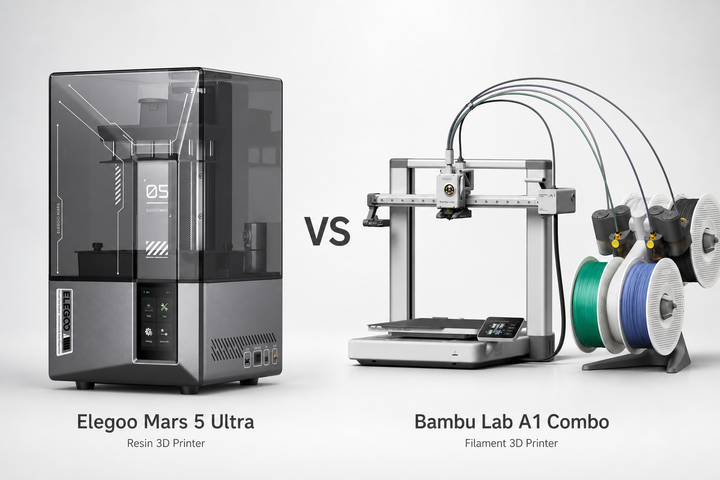
Resin vs Filament 3D Printer: Which Should You Choose? Resin delivers stunning detail. Filament handles everything else. We compare both across 7 factors to help you pick the right one.
3D Printer Ironing: Setup Guide & Best Settings for Beginners 3D printer ironing smooths the top surface of your print by re-melting the plastic with a second nozzle pass. This guide covers what ironing does, when to use it, the best settings for PLA, PETG, and ABS, and how to enable it in Bambu Studio, PrusaSlicer, and Cura.
Makers Printed Thousands of Medical Splints for Venezuela — Now Bambu Lab Is Scaling the Effort Within days of Venezuela's devastating June 24 earthquakes, makers across 11 countries had printed over 2,600 medical splints. Now Bambu Lab is adding a 48-hour charity fundraiser starting July 13.
Proposed Ghost Gun Laws Could Mean Mandatory Scanning of Everything You 3D Print Proposed legislation targeting ghost guns could force mandatory scanning of all 3D printed objects, raising major concerns for the maker community.
3D Print Not Sticking to Bed? 9 Fixes to Improve Bed Adhesion 3D print not sticking to the bed? This guide covers 9 proven fixes — from Z-offset calibration and bed cleaning to material-specific temperature settings — so your first layer bonds properly every time.
Why a 3D Printer Cannot Have Floating Layers (And How to Work Around It) A 3D printer cannot have floating layers because molten plastic needs a solid surface underneath to bond to. Here are 5 ways to work around this limitation.