Proposed Ghost Gun Laws Could Mean Mandatory Scanning of Everything You 3D Print
Proposed legislation targeting ghost guns could force mandatory scanning of all 3D printed objects, raising major concerns for the maker community.
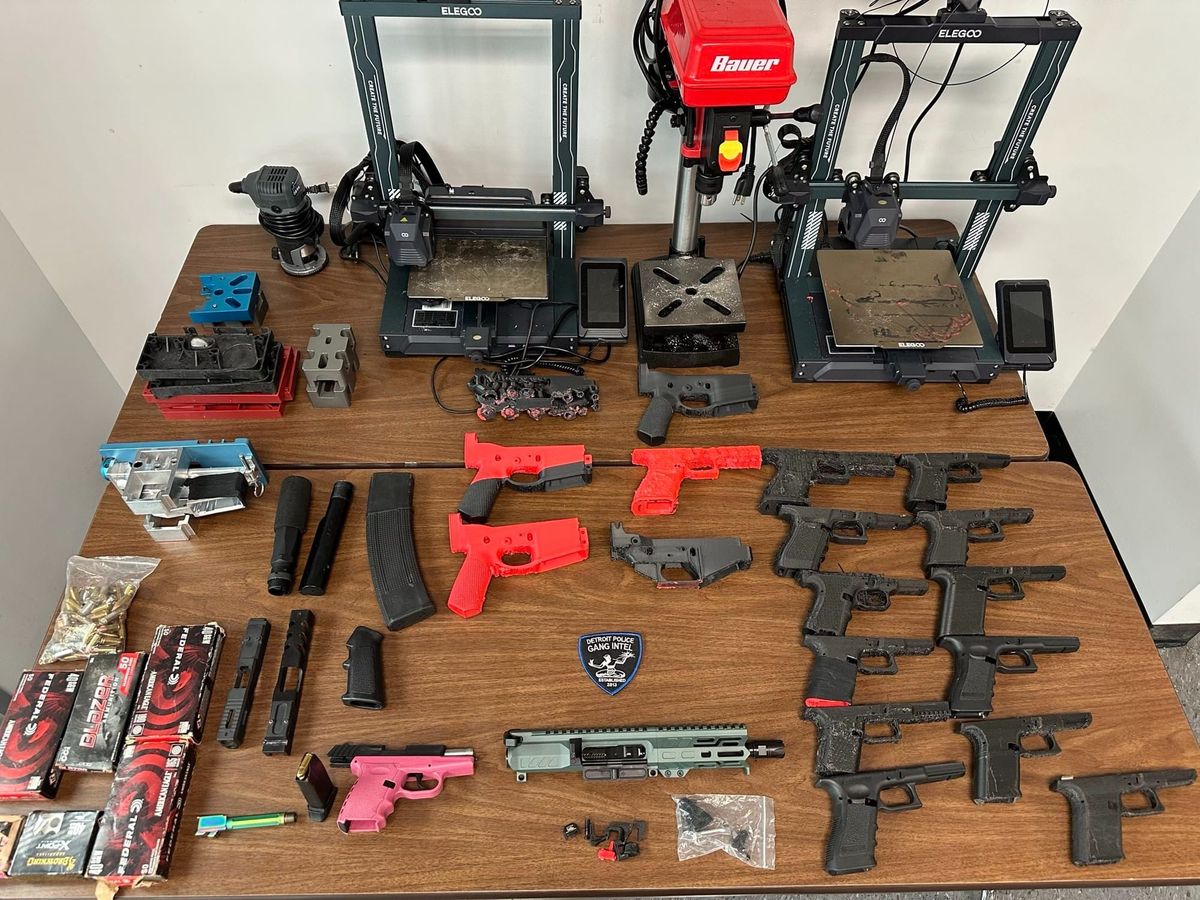
Legislation aimed at curbing 3D printed "ghost guns" could go far beyond banning firearm components — potentially requiring a scanning system that monitors all objects coming off consumer printers.
What Happened
A discussion gaining traction in the r/3Dprinting community is drawing attention to proposed laws targeting ghost guns — untraceable firearms that can be manufactured at home using a consumer 3D printer. While the intent of such legislation is to prevent the production of unregistered weapons, critics are raising serious concerns about the scope of enforcement mechanisms being floated alongside these proposals.
The core issue: it's virtually impossible to ban 3D printed guns specifically without also knowing what else people are printing. Some legislative frameworks under discussion have suggested that enforcement could require some form of scanning or monitoring technology built into 3D printers or associated software — meaning every Benchy, bracket, or custom part you print could theoretically be logged and checked against a database of prohibited objects.
Ghost guns have become an increasingly prominent topic for lawmakers in the United States and elsewhere. Because they lack serial numbers and can be assembled from printed or off-the-shelf components, they are difficult to trace. High-profile incidents involving 3D printed weapons have accelerated the legislative push.
Why It Matters
For the 3D printing community, the implications of broad anti-ghost-gun legislation could be enormous — and deeply uncomfortable. The hobby and professional maker space is built on openness: open-source designs, shared files, and the freedom to fabricate virtually anything. A mandatory print-scanning regime would fundamentally alter that dynamic.
The technical reality makes this especially contentious. A printer doesn't inherently "know" what it's making. Enforcing any ban would require either:
- Software-level filtering built into slicers or printer firmware that cross-references designs against a prohibited list before printing
- Hardware surveillance — physical scanning systems that analyze printed objects after the fact
- File-level monitoring at the point of download from design repositories like Printables or Thingiverse
Each of these approaches carries significant privacy implications. Slicer software that phones home with your print data, or printers that require cloud connectivity to authorize a job, would represent a dramatic shift from the largely offline, user-controlled workflow most makers rely on today.
There's also the question of effectiveness. Determined bad actors can use offline slicers, modify files to evade detection algorithms, or simply avoid monitored platforms entirely. Critics argue that such laws would burden law-abiding hobbyists and small businesses while doing little to stop those actually intent on manufacturing illegal weapons.
The broader maker and open-source hardware communities have long resisted moves toward DRM-style controls on fabrication technology, and this debate is likely to reignite those conversations at a policy level.
What's Next
No single piece of legislation has passed yet that would mandate print monitoring in the United States, but the conversation is clearly accelerating. Makers, industry groups, and civil liberties organizations will need to engage actively with lawmakers to ensure that any ghost gun regulation is targeted and proportionate — rather than a blanket surveillance framework applied to one of the most open creative technologies available to consumers.
If you care about the future of desktop fabrication, now is a good time to follow relevant legislative developments, contact your representatives, and support organizations advocating for maker rights. The community's voice will matter as these policies take shape.
Source: r/3Dprinting

Comments ()